
CARE Mission Project
Reimagining Education.
Real Student Empowerment.
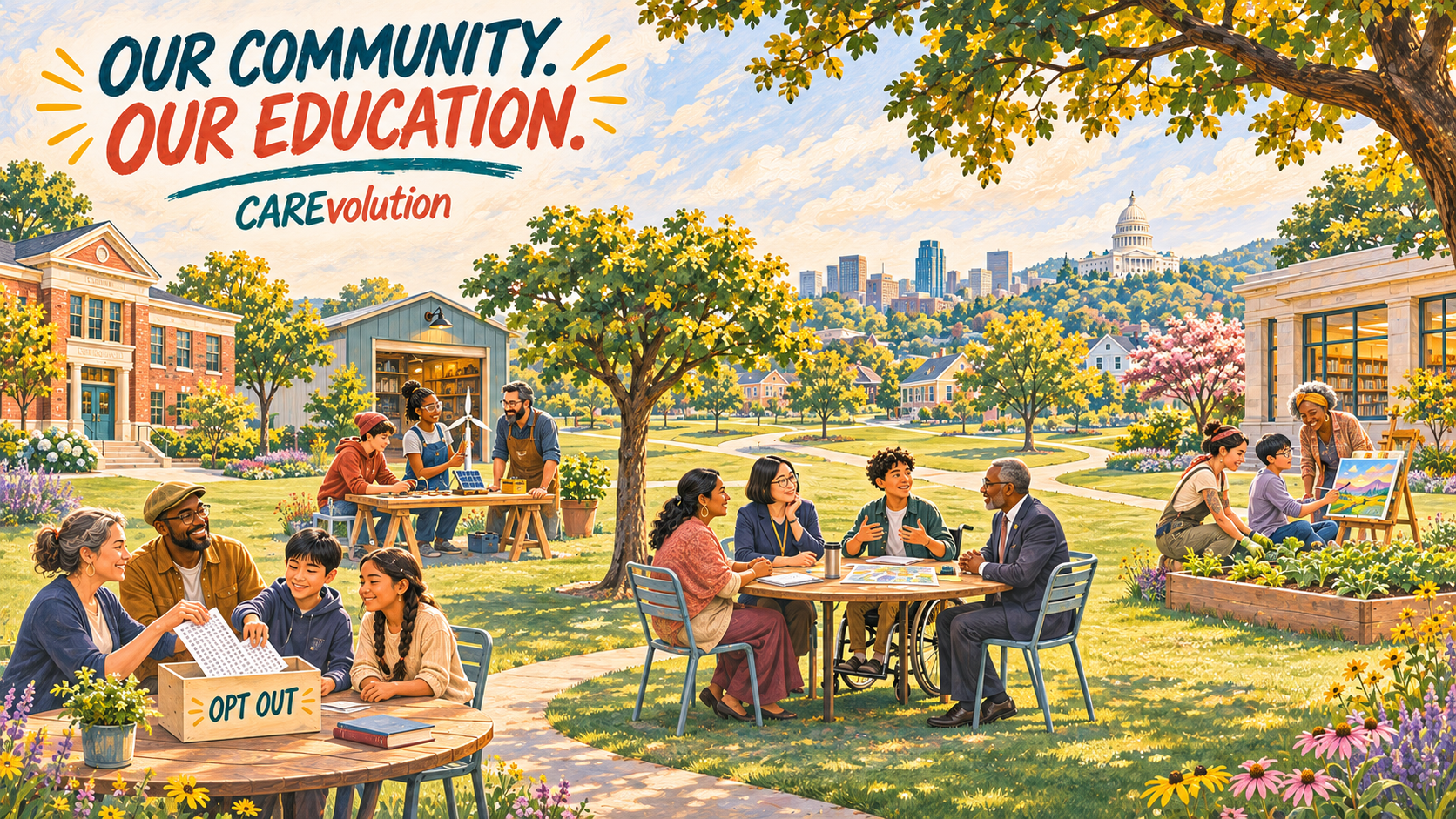
Students, Families, Educators, Organizations, and Leaders State-wide in Virginia are working together to finally reimagine education.
A Virginia-Wide Evaluation and New Paradigm
We’re building a new model of learner-centered education together with CARE.
Our CARE Mission Project is an evaluation of our education system and paradigm. We are focused on reimagining:
Standards of Learning
Student Assessment Methods
Graduation Requirements
School Models and Accountability Frameworks
-
We’re networking and building representation state-wide to pave the future of education curriculum, assessment, and models of schooling.
-
We are deeply understanding our needs, issues, and outcomes from our current systems.
-
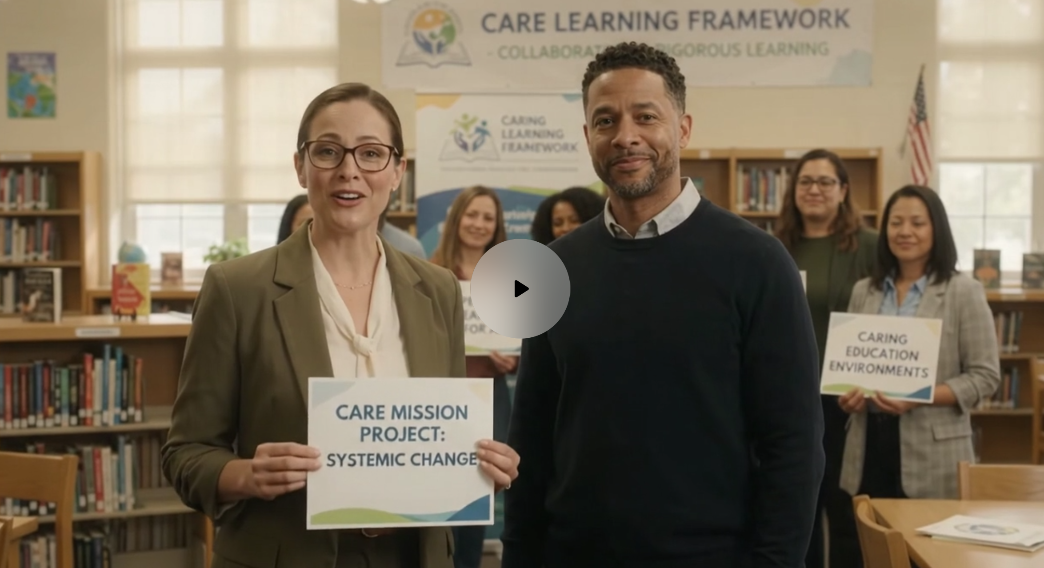
Our CARE Learning Framework gives our community’s current consensus on the future of curriculum and assessment in education. Our ecosystem shows the caring alternative in action.
-
We’re creating a community-owned proposal for a new Virginia model of education. A system designed by us for all.
More on Our Revolution Strategy
-
We are developing curriculum and real-world applications of our CARE Learning Framework research.
-
Our CARE Partner Network is our passionate ecosystem showing the future of education and community-building in action. Through establishing Learning Cities in Manassas & Falls Church and collaborating on programs and our CARE Mission Project, our network is making a real difference.
-
We support real-world projects and workforce development for young people through our alternative school system and CAREducation Foundation. We sustain schools, hire teen interns, and provide infrastructure for students to communicate, learn, and advocate. We also train and certify educators to lead learning with CARE.
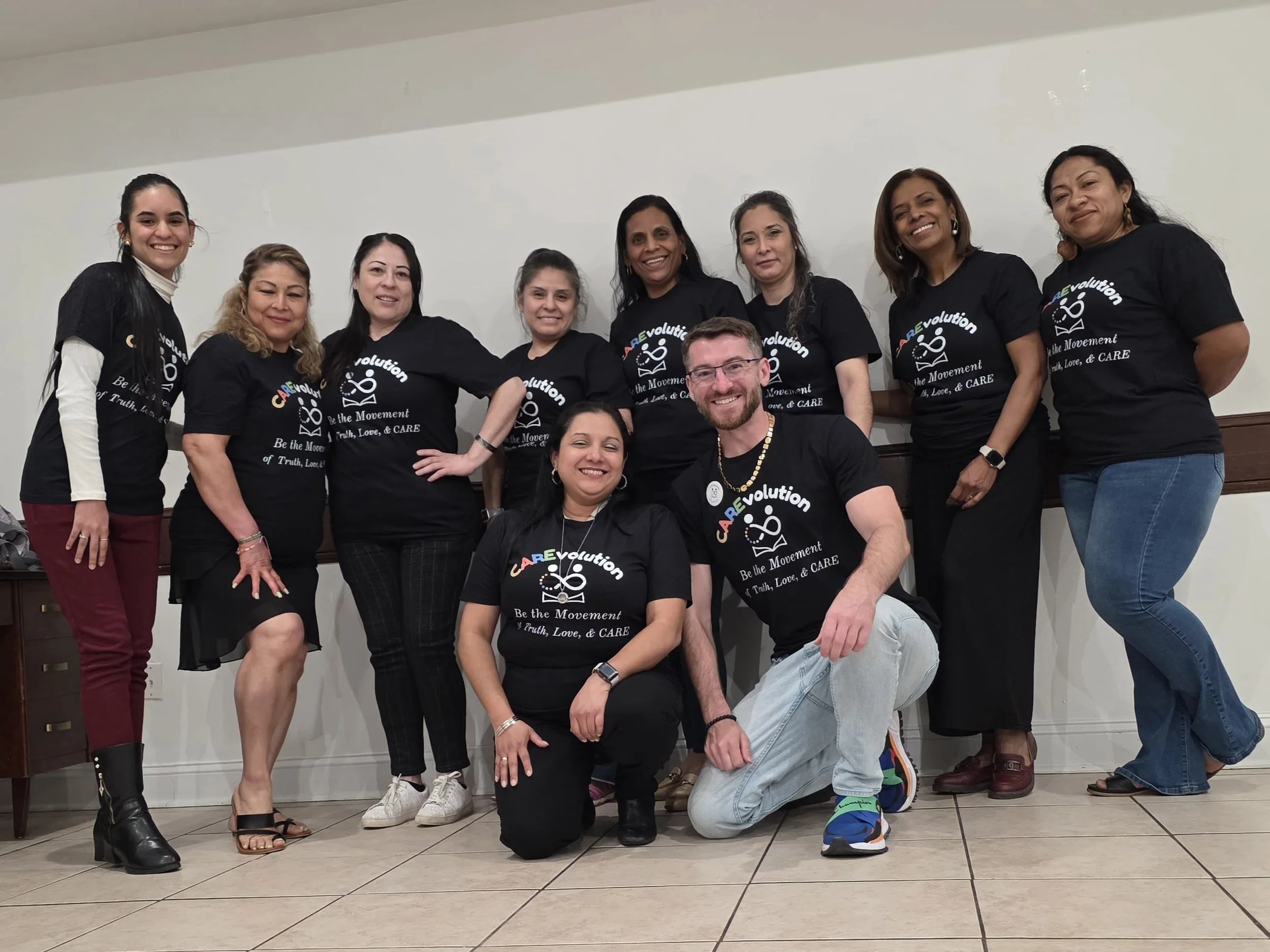
Support the CARE Mission Project Today
Connect with Our CAREvolution Community
Join the CARE Society online communication platform, attend CAREvolution events, and share your experience in education.
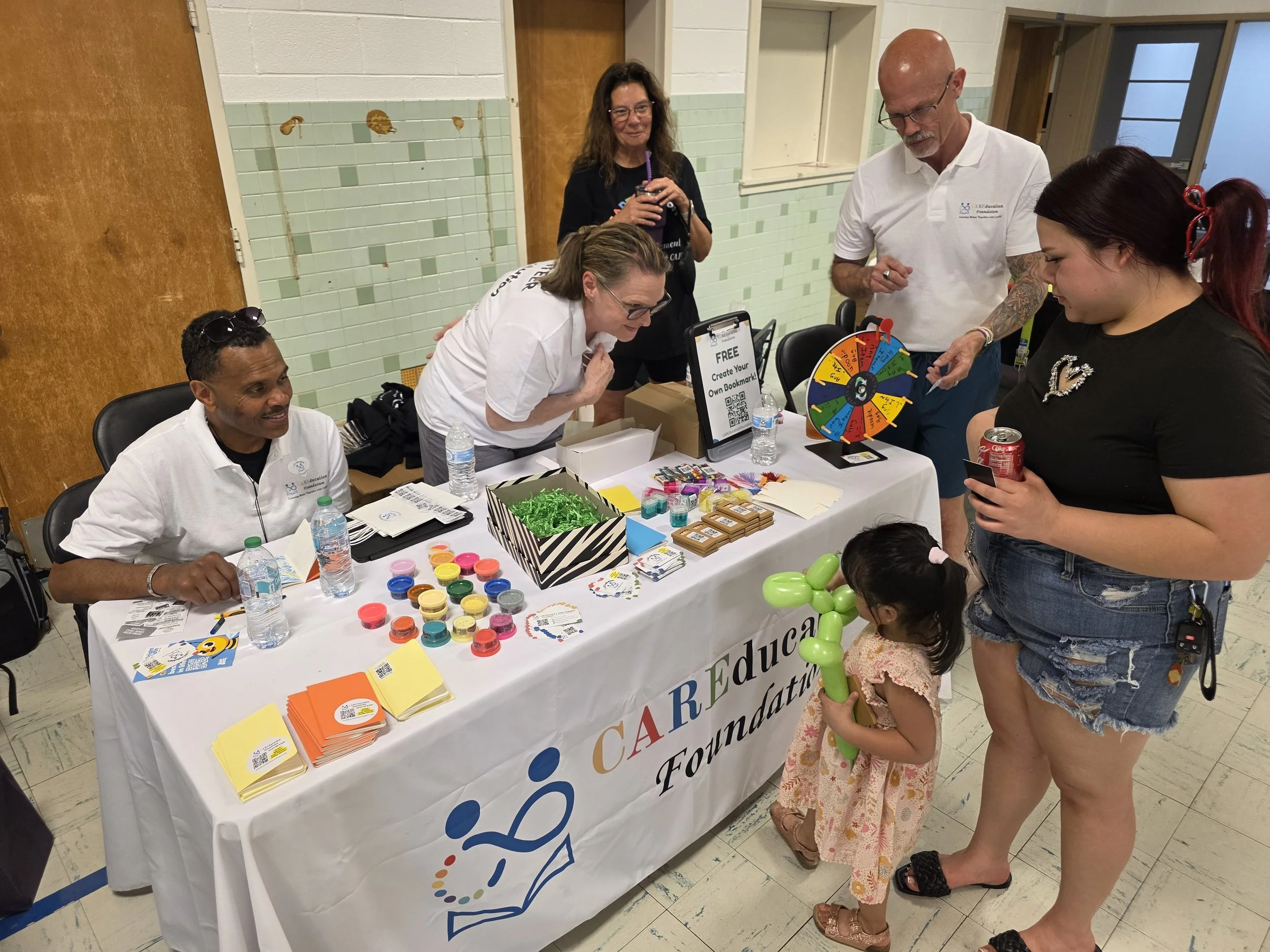
Fundraise & Engage on Social Media
Start or join a CAREducation Foundation charity fundraiser. You can ask people to donate, launch a social media campaign, or boost our content as much as you’d like!
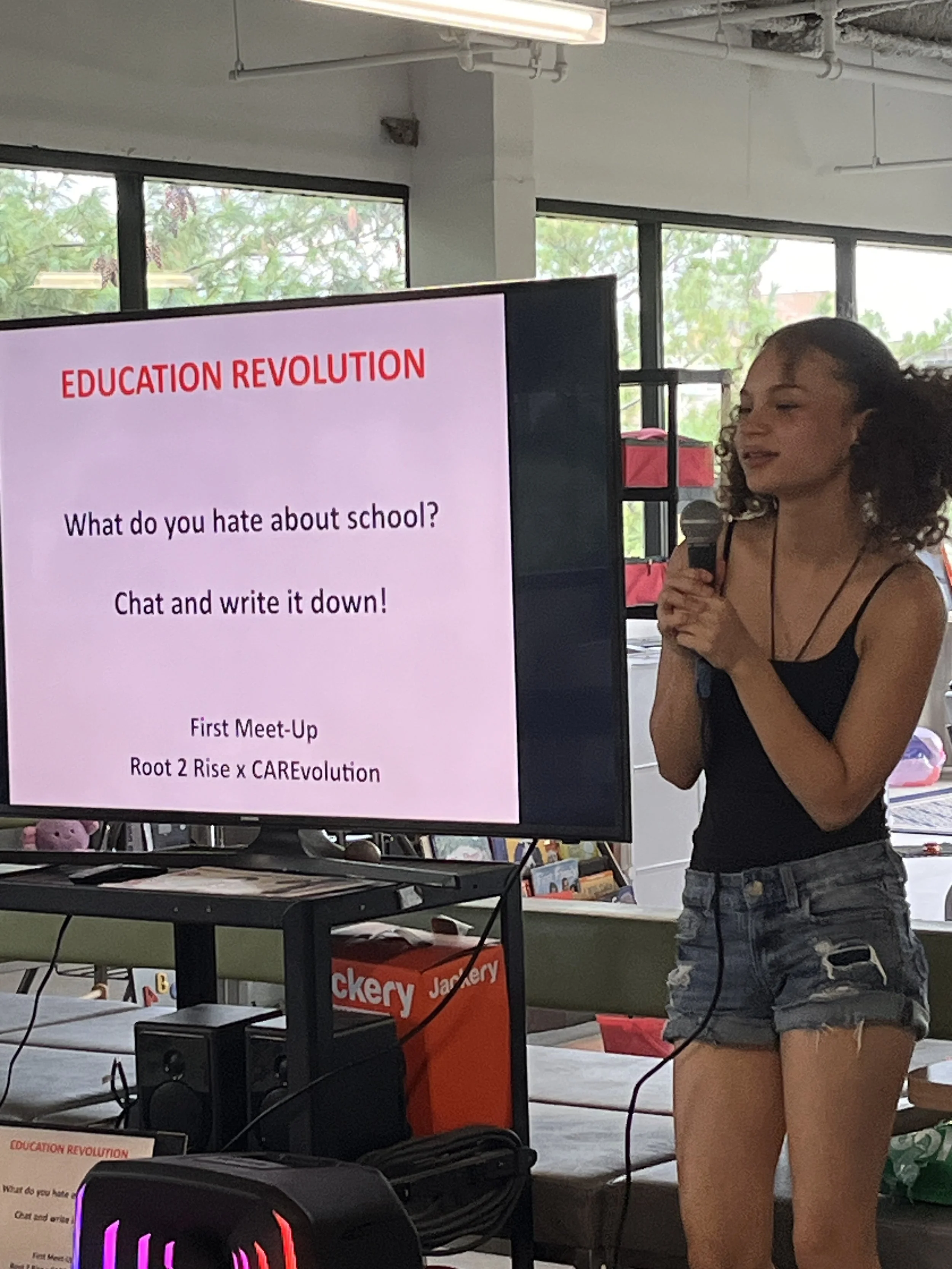
Prepare for Revolution Activities
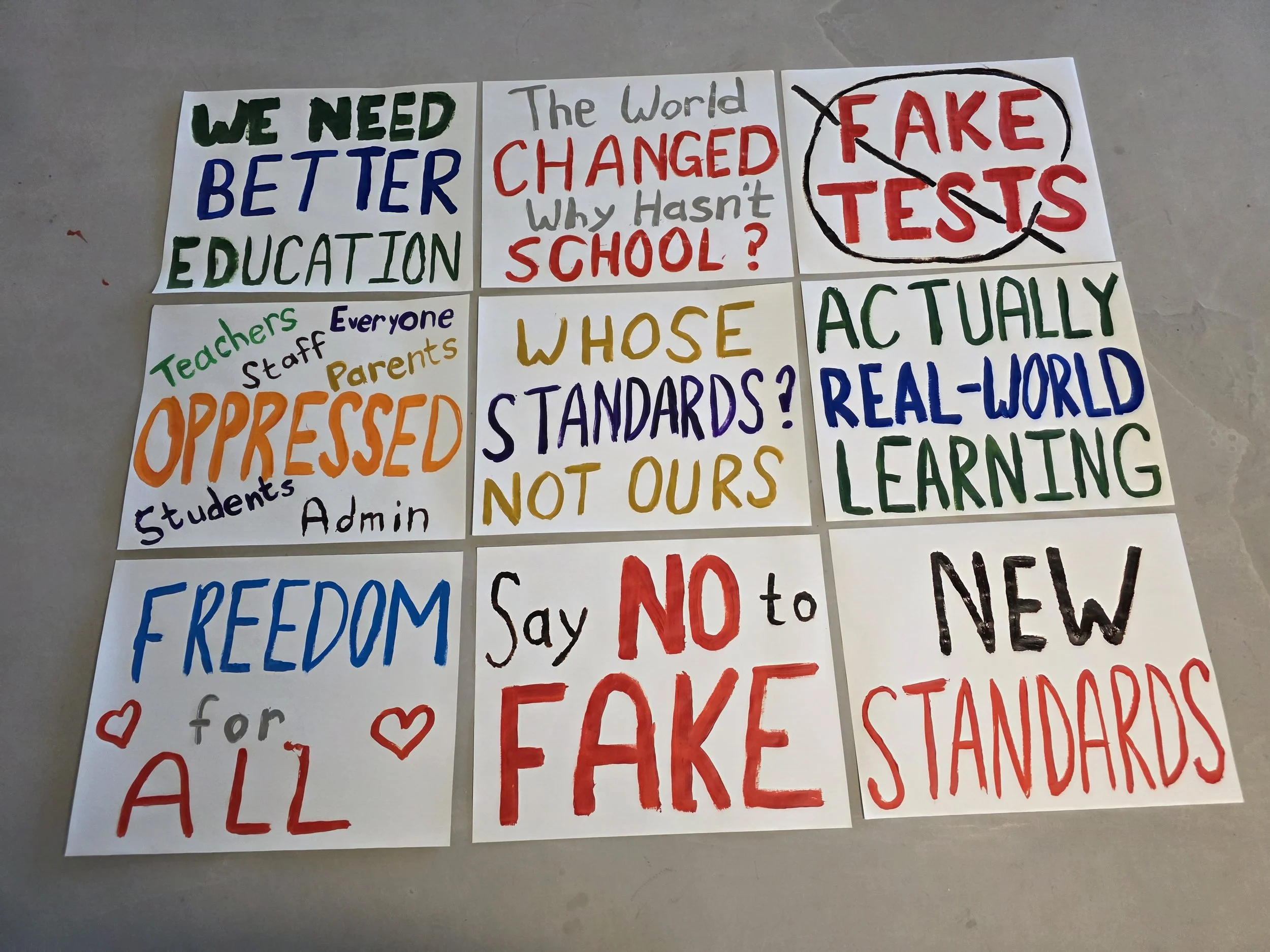
SOL Test opt-outs, project-based learning alternatives, contacting leaders for systemic change. You can lead your friends and community to stand up for advocacy and justice.
Deep Dive: The Education Revolution
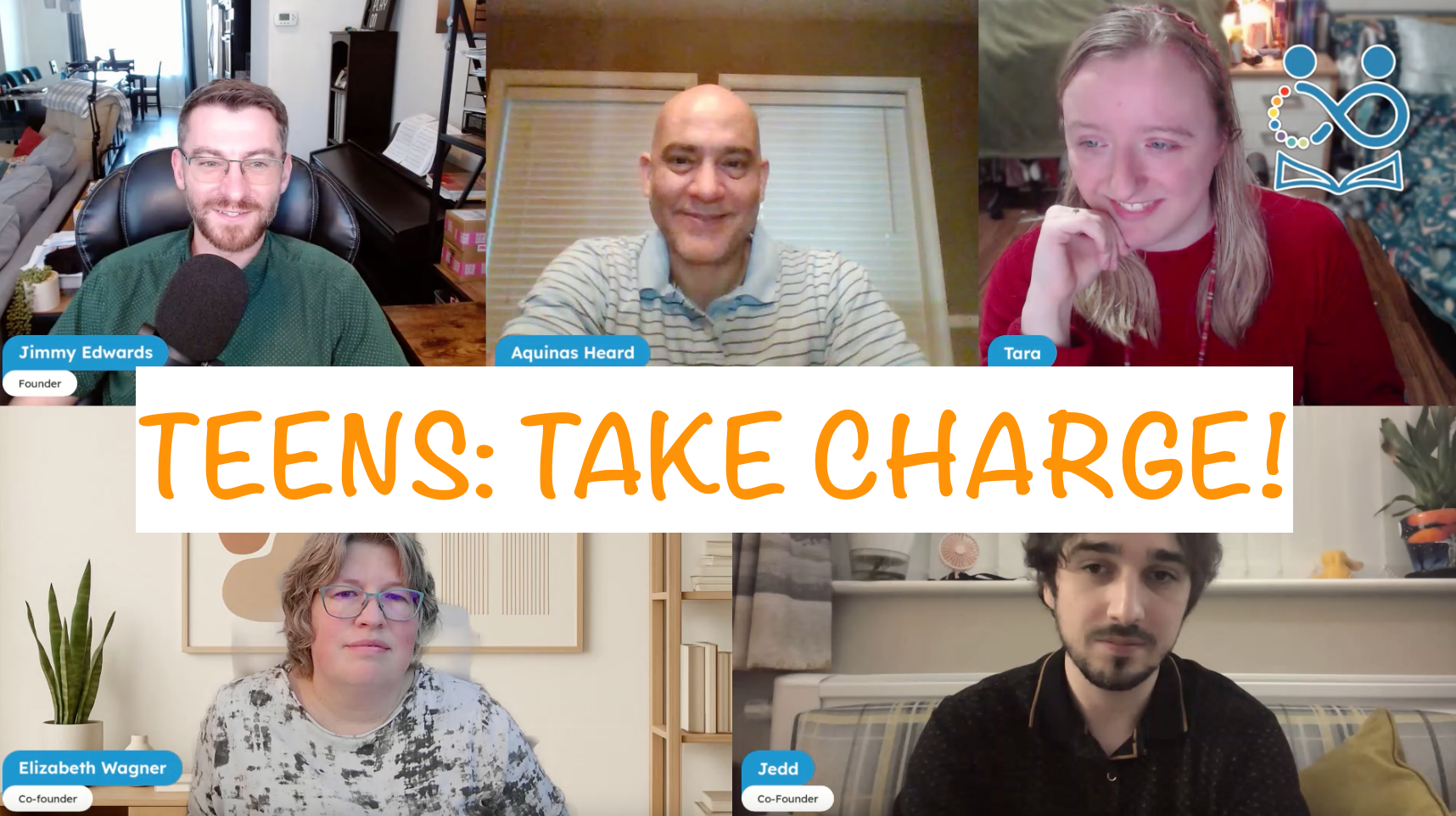
Belen Quellet, Executive Director of The Learning Quest, and Jimmy Edwards, President of CAREducation Foundation, discuss the education revolution.
The Full CARE Mission Project Plan
A participatory, creative, and collaborative way to evaluate education while sparking systemic change.
1. Goals of the Evaluation
Expose: Reveal where current education fails to nurture care, curiosity, justice, and real learning.
Engage: Give all stakeholders — especially students — a voice in judging the system.
Envision: Collect creative ideas, visions, and prototypes of better ways to learn.
Empower: Turn evaluation into action — a movement that builds momentum for change.
2. Guiding Questions
Asked everywhere from classrooms to marches:
Who are we and what are our values, dreams, and challenges?
What is real vs. fake learning?
What are different ways of “doing education” and how effective are they?
What is “Life-Readiness?”
What should we be learning in the future and how should we be treating each other?
How should we assess student learning in the future?
If school is supposed to prepare us for life, how well is it doing?
What should the role of educators, students, families, policy-makers, and community members be in education?
What systemic solutions need to be put in place to set students up for success?
3. Data Collection Methods (Revolutionary Style)
Traditional evaluation uses surveys and tests. This movement uses living acts of truth:
Student Acts: Art, songs, social media campaigns, in-school and out-of-school trends and challenges.
Digital Platforms: Hashtags, open surveys, viral posts, collaborative maps where people can post what is and isn’t working
Community Testimonies: Parents, alumni, teachers, community members sharing stories (video, audio, written, art).
Boycotts & Protests: Collective refusal of meaningless assignments/tests — data by absence.
Creative Projects: Stakeholders propose new models of learning; these become evidence of possible futures.
Research Partnerships: Universities or think tanks analyze patterns, amplify findings, and legitimize with data reports.
4. Analysis Methods
Collective Sense-Making: Host assemblies (in person or online) where students and communities reflect on what the data (stories, actions, boycotts) mean.
Visual Mapping: Turn actions and testimonies into public dashboards: what’s thriving vs. broken.
Comparative Reports: Researchers + organizations compile themes and evidence into reports that policymakers, media, and the public can digest.
5. Outcomes / Deliverables
Instead of just a binder, the evaluation produces:
Living Archive: A constantly updated record of stories, rituals, actions, and testimonies.
People’s Report Card for Education: Students grade the system — not the other way around.
Policy Proposals: Collaborative drafting of solutions (e.g., alternatives to standardized testing).
New Models Piloted: Microschools, co-ops, projects that emerge from the evaluation itself. Plus, highlight existing programs that are modeling the future we want to see.
Public Demonstrations: Music, art, and rallies that are themselves the findings made visible.
6. Stakeholder Involvement
Everyone can join in:
Students: Lead symbolic protests, provide testimony, co-design solutions.
Parents/Families: Share experiences, support walkouts, amplify in communities.
Educators: Offer inside perspectives, back student voice, propose alternatives.
Organizations (ERA, NEP, etc.): Bring networks, advocacy experience, policy channels.
Research Institutions: Provide rigor, compile reports, lend legitimacy to “living data.”
Ordinary People: Participate in prayer rituals, share social media posts, attend demonstrations, sign petitions.